







Search Results for: Green Bean Maturation
Panama Duncan Estate Vulcan Valley Washed Coffee Beans: Sucrose and Chocolate Flavor Profile and Rainforest Alliance Sustainable Farming Analysis
Located in the Volcán Valley of Panama, Katowa Duncan Estate sits at an altitude of 1,700 to 2,000 meters and is a highly regarded specialty coffee estate in the region. The estate practices shade-grown cultivation, preserving nearly 60% of its native tree species, and has obtained Rainforest Alliance certification, with the entire production process following sustainable standards. Coffee cherries are hand-picked only when ripe during the dry season, and after washed processing, patio sun-drying, and mechanical drying, the green beans undergo a 60-day resting period before being graded by size and weight for export. This medium-roast washed bean offers rich flavor layers, with notes of sucrose sweetness, chocolate, barley, Job's tears, and oat aromas. It has a full body, with a bright plum acidity interwoven with a lasting sweet finish, and has won multiple awards in the Best of Panama "Cupping for Quality" competition. Front Street Coffee is proud to present this standout Duncan Estate Volcán Valley coffee bean. [more…]
Origin of the Mantenin Coffee Name, Flavor Characteristics of Indonesian Mantenin Beans, and Differences from Golden Aged Mantenin
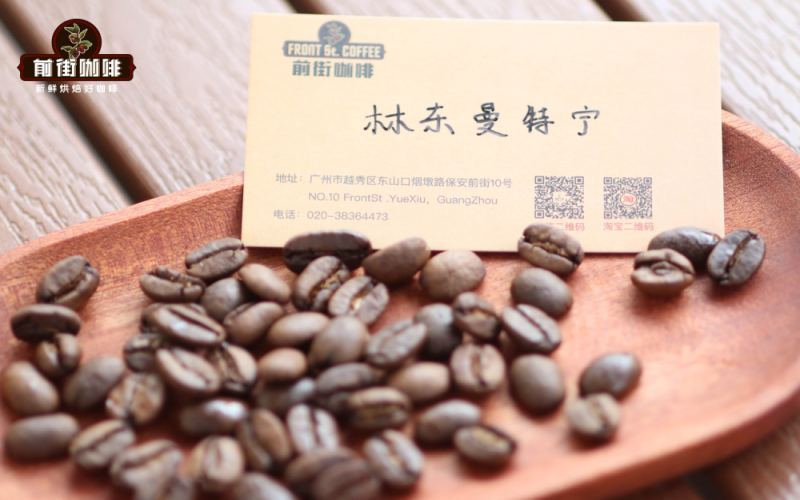
Mandheling is a name familiar to coffee lovers, but it is neither a producing region, nor a port, nor a variety. Behind this name lies a mishearing story from World War II, and later the Japanese coffee company Pwani Coffee introduced 15 tons of Indonesian coffee into Japan, where it unexpectedly swept the nation. Mandheling is mainly produced around Lake Toba in northern Sumatra and is known for its herbal and woody fragrance. The Japanese later launched Golden Mandheling with strict quality control, featuring dark green color and uniform bean appearance, which even captivated the European and American markets. Aged Mandheling, through maturation, transforms astringency into sugars, resulting in a sweet and smooth mouthfeel. Front Street Coffee recommends paying attention to different processed versions of Mandheling to appreciate the differences in its flavor. [more…]
An Analysis of the Flavor Differences Between Aged and Fresh Mandheling, Plus Front Street Coffee's Brewing Parameters
Mandheling is a familiar name among coffee lovers, but aged Mandheling, which has undergone long-term storage and maturation, takes on a completely different flavor profile. This article, from the perspective of Front Street Coffee, explains the processing logic behind aged Mandheling, how it should be compared with fresh beans, and fully documents the specific parameters of Front Street's roasting and brewing of this bean. Aging is not simply letting beans grow old, but rather resting and maturing them under strict monitoring at origin, allowing acidity to weaken and body to increase, developing complex notes reminiscent of honey and herbs. The article also provides a KONO dripper brewing method and flavor description, making it a useful reference for readers who want to gain a deeper understanding of aged Mandheling. [more…]
Bourbon Coffee Bean Flavor Analysis: Differences and Variety Comparison of Red Bourbon, Yellow Bourbon, and Pink Bourbon
Bourbon is a pivotal classic variety within the Arabica family, from which numerous variants such as Red Bourbon, Yellow Bourbon, and Pink Bourbon have derived, each exhibiting distinct differences in flavor and cultivation characteristics. This article focuses on the traits of Bourbon coffee beans, detailing the origins, flavor profiles, and representative producing regions of Red Bourbon, Yellow Bourbon, and Pink Bourbon, while also clarifying the relationships between Bourbon, Caturra, and Typica. The article also compiles specific information on three everyday beans available at Front Street Coffee: Brazil Red Bourbon, Brazil Queen Estate Yellow Bourbon, and Colombia Isabella Pink Bourbon, for coffee enthusiasts to compare and understand. [more…]
Why Is Pour-Over Coffee So Fruity? The Flavor Transformation Mechanism from Green Bean Composition to Roasting and Brewing
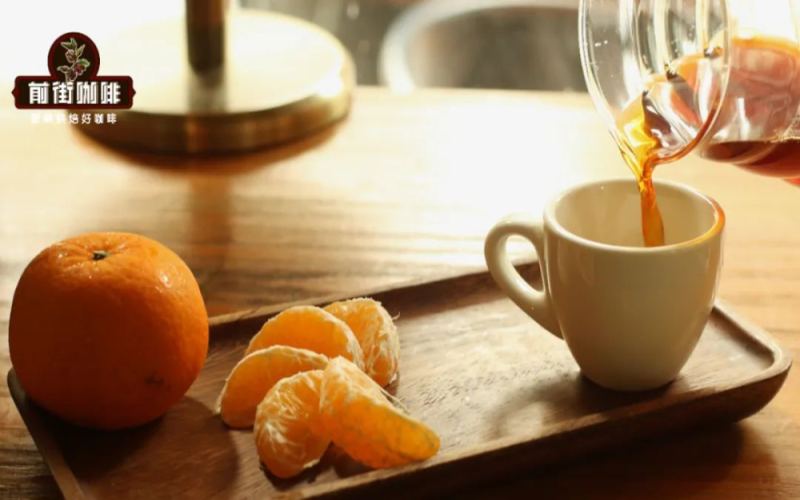
Citrus, passion fruit, strawberry, grape... we have been familiar with the flavors of these fruits since childhood, and even with our eyes closed, we can identify the specific varieties by taste. Coffee itself is also a fruit, and its fruit contains a large number of aromatic substances similar to fruit aromas. However, the fruity aroma is not fully formed from the beginning, but is gradually transformed during a very short ripening period. From esters, ketones, alcohols, and other components in green beans, to the catalysis of the Maillard reaction and caramelization during roasting, and finally to the final presentation during brewing, every step influences the flavor in the cup. This article will systematically sort out the sources and transformation pathways of coffee fruity aromas, helping enthusiasts understand why medium-light roasted pour-over coffee can display such distinct floral and fruity notes. [more…]
What Exactly Is Aged Coffee? Exploring Green Bean Aging and Flavor Changes Through Sumatra Aged Mandheling
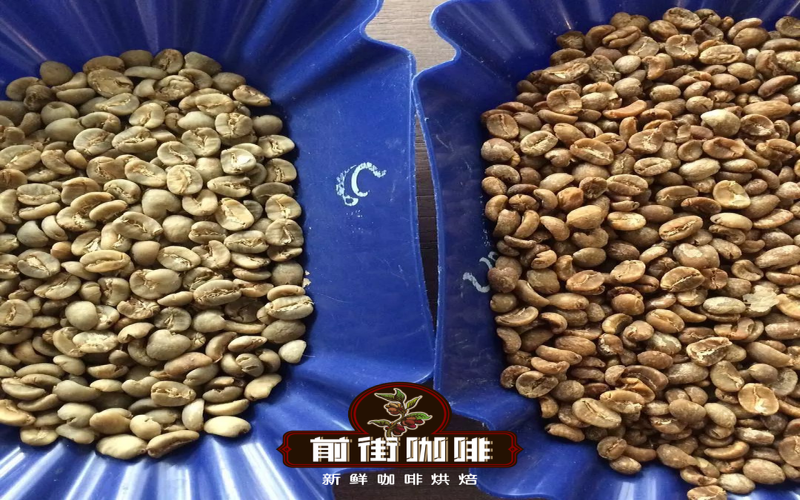
Aged coffee is not simply letting green beans sit until they expire; rather, it is an aging process that demands strict monitoring. This article will introduce you to the processing logic behind aged beans, with a focus on Sumatra Mandheling, the most representative coffee from Asia, covering its origin background, flavor characteristics, and collectible significance. It will also explain the 24-month resting and aging process of Aged Mandheling, as well as Front Street Coffee's roasting and brewing recommendations for this bean—from choosing the KONO dripper to extracting at a low water temperature of 86-88°C—to help you more fully understand why Aged Mandheling is so mellow and captivating. [more…]
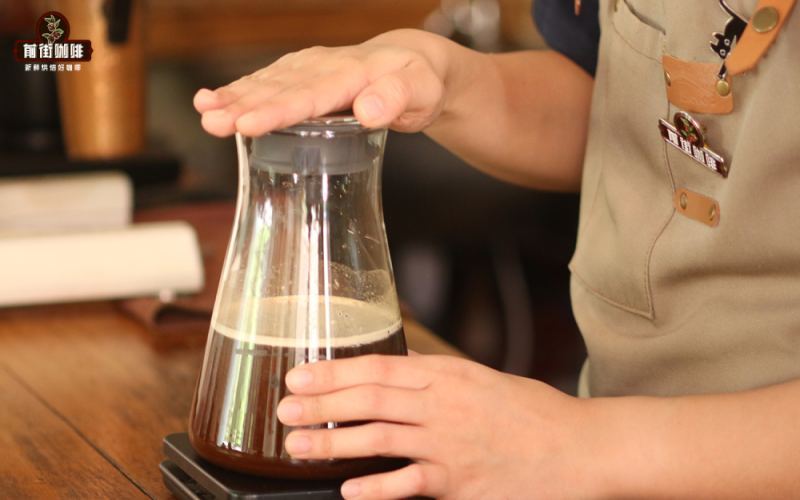
Cold Brew Coffee Shelf Life Fully Explained: Home Methods for Ice Drip and Cold Brew, Extraction Parameters, and Grind Size Recommendations
On a hot summer day, cold brew coffee becomes a favorite for many people. But how long can prepared cold brew be stored? What details should be noted when making ice drip and cold brew at home? This article provides a detailed explanation of the shelf life of cold brew coffee, the role of refrigerated aging, the flavor differences brought by different bean varieties, and the extraction parameters and grind size for ice drip and cold brew. At the same time, Front Street Coffee also gives specific suggestions based on the cold brew performance of its own beans such as Kenya, Strawberry Candy, and Gitiding Cooperative. Whether you are a beginner or a seasoned enthusiast, you can find practical references here. [more…]
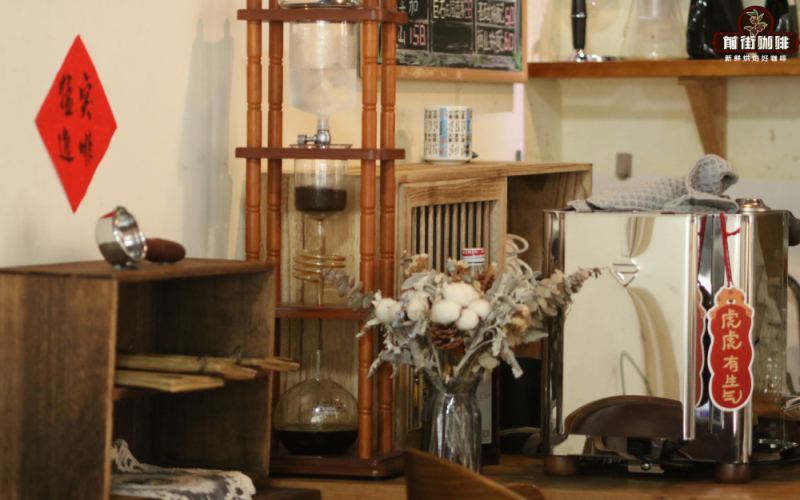
What Exactly Is Cold Brew Coffee? A Detailed Explanation of the Differences Between Ice Drip and Cold Brew, Brewing Parameters, and Shelf Life
On a scorching summer day, a glass of cold brew coffee is almost every coffee lover's first choice for beating the heat. But many people's understanding of cold brew coffee still stops at the level of "iced coffee," and some even lump iced pour-over and iced Americano together with cold brew. In fact, the core of cold brew coffee lies in using low-temperature water throughout the entire extraction process, and depending on the method, it can be divided into two major categories: cold steep and ice drip. Starting from the definition, this article will sort out the essential differences between cold brew and iced coffee, analyze the types of coffee beans suitable for making cold brew, and, using Honduran Sherry beans as an example, introduce in detail Front Street Coffee's ice drip brewing parameters and process. Finally, it will answer the question of cold brew coffee's shelf life, helping you gain a comprehensive understanding of cold brew coffee. [more…]
Analysis of Flavor Differences Between Aged and Fresh Mandheling and Front Street Brewing Parameter Recommendations
Mandheling coffee has always been known for its rich, full-bodied intensity, and Aged Mandheling is a special category that, on this basis, takes on a completely different flavor after being tempered by time. It shares similarities with Indian Monsoon Malabar coffee, as both require long-term storage to develop their pleasant, distinctive taste. This article will comprehensively examine the complete picture of Aged Mandheling from multiple angles, including the principles of the aging process, a comparison between aged beans and fresh beans, changes in the appearance and flavor of green beans, and Front Street Coffee's roasting and brewing practices. Whether you are full of curiosity about aged flavors or want to understand how it differs from fresh Mandheling, you will find useful reference in this article. [more…]
An In-Depth Analysis of Aged Mandheling: A Complete Flavor Guide from Green Bean Storage to Roasting and Brewing
I've tried quite a few Mandhelings, but aged Mandheling is a special existence that requires time to craft. It draws on the idea of Indian monsoon coffee: the green beans must be quietly aged in a ventilated, cool warehouse environment for 24 months, during which they are regularly turned to prevent mold and insect damage, consuming a great deal of labor. After this treatment, the beans' acidity is greatly reduced, their body is significantly improved, and their sweetness carries a honey aroma, with a flavor profile completely different from fresh beans. This time, Front Street Coffee used Sumatra Typica as the sample, roasting it medium-dark with 550g batch size in a Yangjia 800N roaster, and completed brewing with a KONO dripper at 88°C water temperature, ultimately presenting a cup that interweaves herbs and caramel. This article will fully break down the story behind this unique Mandheling, from the principles of the aged processing method, changes in the appearance of the green beans, details of the roasting curve, to the brewing parameters. [more…]
The Flavor Window of Sweet Fruity Pour-Over Beans: From Degassing and Resting to a Drinking Rhythm That Locks In Juiciness
Freshly roasted coffee beans are filled with carbon dioxide inside. This layer of gas hinders water from smoothly penetrating the coffee grounds, making it difficult for aromatic compounds to be fully released during extraction. To taste a bright, light fruity note and full sweetness, the beans need a period of gentle degassing, allowing the internal structure and vol [more…]
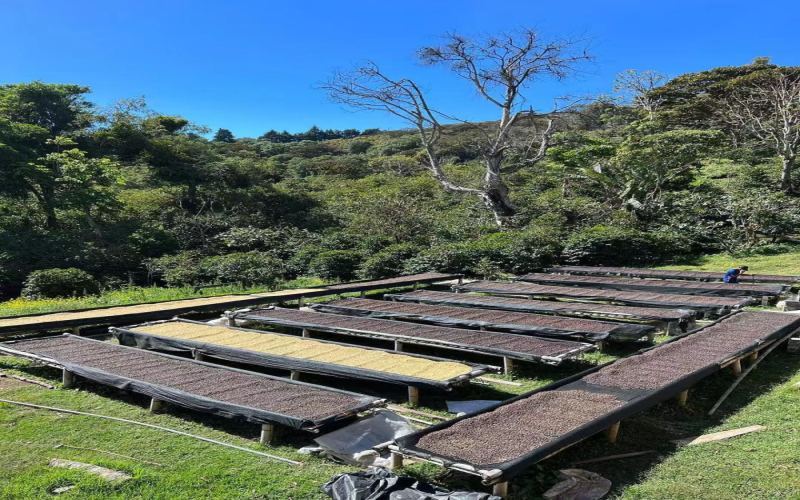
Panama Elida Estate: A Analysis of the Growing Environment, Variety, and Flavor of Ultra-High-Altitude Geisha
In the Boquete production region of Panama, there is a coffee estate whose altitude is almost unmatched in the country—Elida. It belongs to the Lamastus family, with more than half of its area located within Volcán Barú National Park, and coffee cultivation heights extending from 1,670 meters all the way to 1,850 meters. Here, after planting, it takes five years before the first harvest; the long maturation period gives rise to richer flavors. The estate mainly cultivates three varieties—Catuai, Typica, and Geisha—with Geisha being the most notable. This article will take you into Elida's microclimate, shade-growing methods, strict harvesting and green bean purification processes, and, using Front Street Coffee's Elida ASD Geisha as an example, share specific brewing parameters. [more…]
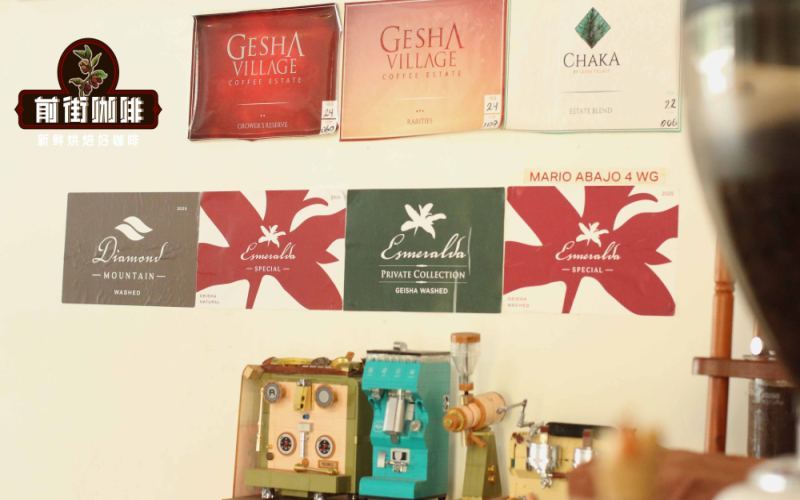
Panama Geisha Coffee Bean Variety Characteristics, Auction Market Trends, and Hacienda La Esmeralda Brand Buying Guide
Geisha coffee holds a pivotal position in the specialty coffee world. From its meteoric rise to fame in 2004 to breaking auction records year after year, what exactly makes it so expensive? This article traces the discovery and spread of Geisha, analyzes the reasons behind its demanding growing conditions and low yields, outlines the development of the Best of Panama (BOP) competition, and highlights the various brand series under Hacienda La Esmeralda as well as the flavor differences brought by washed and natural processing methods. At the same time, Front Street Coffee will share purchasing advice and brewing parameters for several Panamanian Geishas, helping coffee enthusiasts gain a comprehensive understanding of this star variety. [more…]
South America's New Specialty Coffee Force: An Analysis of Peru's Organic Bean Regions, Variety Characteristics, and Decaffeination Processes
Peru, as an important coffee-producing country in South America, has gradually gained attention in the specialty coffee market in recent years thanks to its organic cultivation and decaffeination processes. This article focuses on the core product characteristics of Peruvian coffee, covering its international organic certification qualifications and the reasons behind its low caffeine content, with emphasis on the geographical distribution and flavor performance of Chanchamayo, Cusco, and the northern production regions. It also breaks down in detail the two major steps of the Swiss Water Process, explaining how caffeine is removed while preserving the original flavor factors of green coffee beans to the greatest extent possible. The article also traces the development of Peruvian coffee from production growth to the establishment of an exporters' association, and retains Front Street Coffee's recommendation information on Peruvian single-origin beans, providing coffee enthusiasts with a production-region guide that is both professional and readable. [more…]
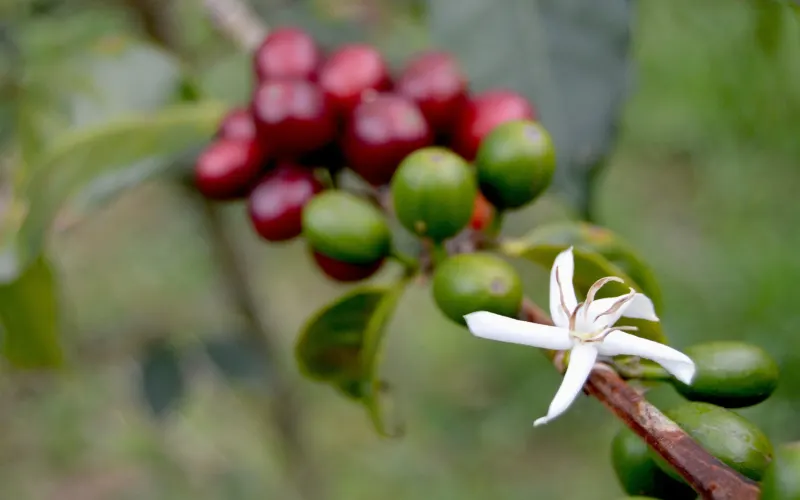
A Detailed Guide to Geisha Coffee Bean Varieties: Differences Between Panama Hacienda La Esmeralda's Red, Green, and Blue Labels and a Pour-Over Guide
Geisha is one of the most prestigious varieties in the specialty coffee world, conquering coffee lovers globally with its unique orange-blossom and honeyed notes. This variety was first discovered in the wild forests of Ethiopia, then made its way to Central and South America, until it was unearthed in 2003 by Hacienda La Esmeralda in Panama, ushering in the Geisha era. Hacienda La Esmeralda divides Geisha into multiple brands such as Red Label, Green Label, and Blue Label based on altitude and quality, each representing different grades and flavor profiles. In this article, Front Street Coffee will systematically sort out the variety's origins, growing characteristics, and the background of the Best of Panama competition, and provide a detailed comparison of the differences among Hacienda La Esmeralda's various label grades of Geisha. Finally, we include the pour-over parameters and step-by-step instructions for the Red Label Natural Geisha, helping coffee lovers gain a comprehensive understanding of this precious bean variety. [more…]
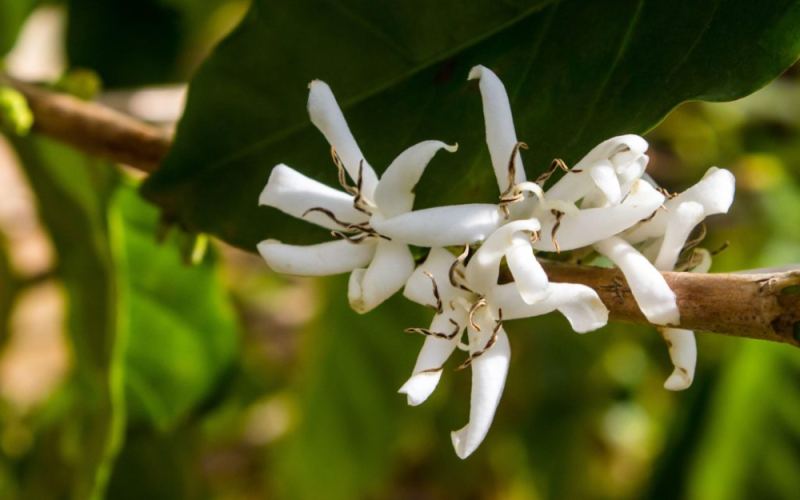
Analyzing the Flavor Differences Between Geisha and Yirgacheffe: A Comparison of Classic Geisha's Core Producing Regions and Varieties
Geisha and Yirgacheffe are both renowned for their floral and fruity acidity, yet their flavor profiles, varietal backgrounds, and cultivation logic are entirely different. Geisha is most classic from Panama's Boquete region, where high-altitude plots like Hacienda La Esmeralda, Elida Estate, and Sofia Estate endow it with intense floral aromas and a full, juicy body; Yirgacheffe, on the other hand, relies on Ethiopian heirloom varieties and washed processing to present jasmine florals and bright citrus acidity. This article systematically sorts out the differences between the two—from terroir and estate characteristics to varietal origins and brewing parameters—and includes bean list information for several Geisha and Yirgacheffe offerings from Front Street Coffee, helping coffee enthusiasts build a clear tasting framework. [more…]
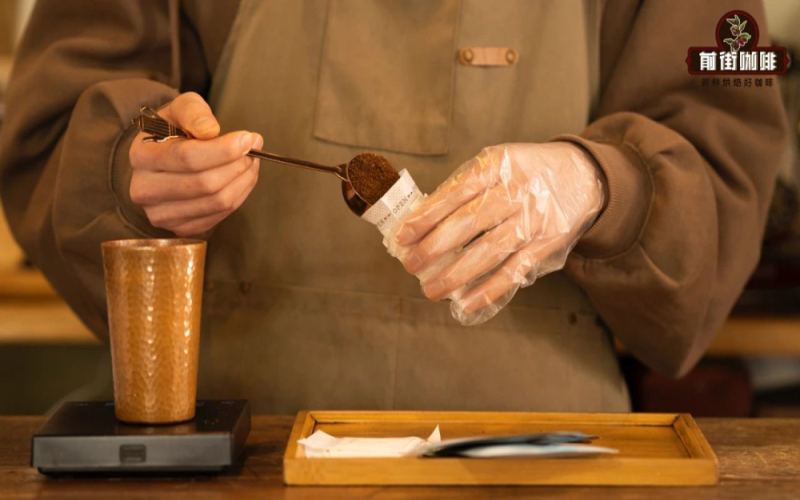
Drip Coffee Brand Recommendations | Who invented the drip coffee bag? What are the features of drip coffee bags? How to brew iced coffee at home with a drip coffee bag?
For the same beans, freshly roasted coffee and drip bags will have some differences in flavor, because once coffee is ground, its natural aroma disappears quickly. Of course, Front Street Coffee also has many regular customers who request that the coffee be ground before shipping, and in such cases Front Street Coffee generally recommends drinking it as soon as possible. Of course, compared with pour-over, drip bags are [more…]
Top 10 Drip Coffee Brands: Flavor Analysis by Region and the Correct Brewing Method
Drip bag coffee, with its combination of convenience and freshness, has gradually become the daily drink of choice for many coffee lovers. Front Street Coffee regularly updates its seasonal drip bag products, allowing customers to easily enjoy fresh coffee without the need for complicated equipment. This article selects ten drip bag coffee brands worth trying, covering classic origins such as Mandheling, Butterfly, Yirgacheffe, Brazil, Colombia, Costa Rica, Guatemala, and Yunnan, while also explaining in detail the invention origins of drip bag coffee, the processing characteristics of each origin, and including the standard brewing steps and parameters for Front Street drip bag coffee, helping you consistently brew a delicious cup of drip bag coffee at home. [more…]
Gesha Village: Tracing the Origins of Ethiopian New Varieties and Recent Auctions
The name Geisha is now almost a highly recognizable symbol in specialty coffee. But what many people don't know is that its roots actually lie in Ethiopia. In recent years, an estate named after Geisha—Gesha Village—has turned its attention back to Ethiopia, and has also made "original Geisha" a [more…]
Front Street Guatemala Antigua Coffee Beans: Specialty Flavor Cultivated in Volcanic Highlands and a Tasting Guide
The Guatemala Antigua coffee beans launched by Front Street Coffee come from the high-altitude volcanic rock growing region at the westernmost tip of Central America. With their balance between elegant acidity and cocoa sweetness, they have become the daily first choice for many coffee lovers. These beans are mildly acidic and smooth, with a mellow, silky mouthfeel. From the dry aroma during grinding to the finish after tasting, they display the complexity unique to highland regions. Guatemala has more than three hundred microclimates across its territory, and its eight major growing regions are located on both volcanic and non-volcanic geological formations, bringing coffee a richly layered flavor spectrum that includes green apple, berries, jasmine, orange peel, green pepper, chocolate, and even a smoky finish. This article will sort out the growing region background, variety composition, grading logic, and flavor performance of Front Street Guatemala coffee beans to help readers understand what makes this specialty bean unique. [more…]